Weather
Arctic on Alert: Russia’s Expanding Shadow Fleet Raises Oil Spill Risks Along Northern Sea Route
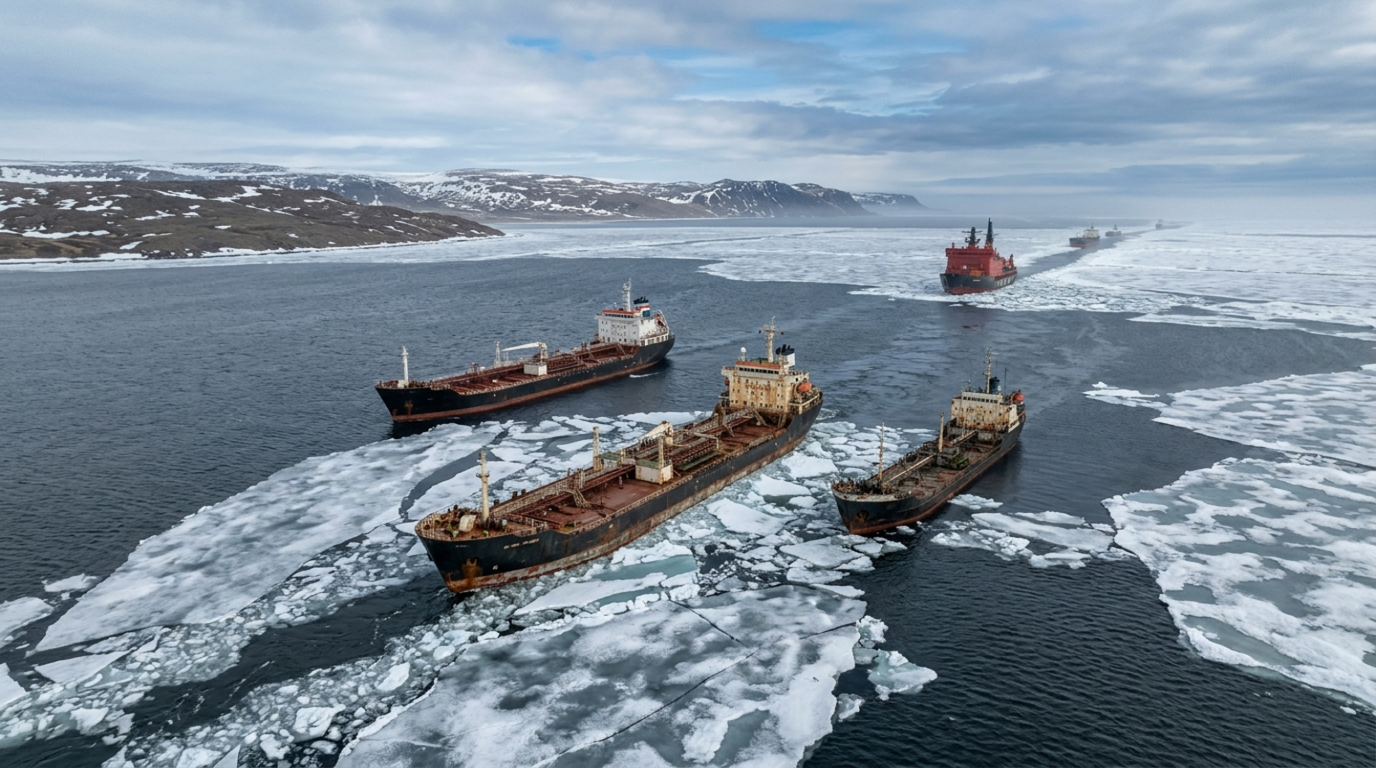
Arctic Alarm: Surge in Russia’s ‘Shadow Fleet’ Raises Fears of Environmental Disaster Along Northern Sea Route
OSLO, Norway
Environmental organizations and maritime experts are warning that the rapid expansion of Russia's so-called "shadow fleet" through Arctic waters is significantly increasing the risk of a major oil spill in one of the world's most fragile ecosystems.
As Western sanctions continue to reshape Russian energy exports, dozens of ageing oil tankers with opaque ownership and insurance arrangements have increasingly begun using the Northern Sea Route (NSR) along Russia's Arctic coast. According to the Bellona Environmental Foundation, more than 100 shadow fleet vessels transited the NSR during the 2025 navigation season, compared with just 13 vessels in 2024.
"The shadow fleet adds a huge unknown – where are these ships, where are they travelling to, what cargoes are they carrying? It escalates the risk." — Sian Prior, Lead Adviser, Clean Arctic Alliance
A Growing Environmental Concern
Researchers say the concern is not simply the increase in the number of vessels, but the condition of many of the ships themselves.
Many shadow fleet tankers are older vessels operating under complex ownership structures and often rely on insurers outside the traditional international maritime insurance system. Environmental groups argue that these factors could complicate accountability and emergency response if an accident occurs.
The Arctic presents unique challenges for oil spill response. Ice cover, extreme weather, remote locations and limited infrastructure make cleanup operations considerably more difficult than in most other oceans.
Climate Change Opens New Shipping Routes
The rapid loss of Arctic sea ice has extended the navigation season along the Northern Sea Route, allowing commercial shipping to increase.
Russia has promoted the NSR as a strategic corridor for exporting crude oil and liquefied natural gas (LNG), particularly after Western sanctions redirected much of its energy trade away from European markets.
Experts warn that increasing commercial activity in Arctic waters also increases environmental risks.
Cleanup Technology Still Faces Major Challenges
Scientists continue researching improved methods for responding to Arctic oil spills, including:
- oil-degrading microbes
- controlled in-situ burning
- improved mechanical recovery systems
- new containment technologies
However, researchers say current response capabilities remain limited under Arctic conditions.
As Synnøve Lofthus of the Norwegian Coastal Administration told The Guardian: "If something happens, it's very hard to get there and do something about it."
Why It Matters
The Arctic ecosystem is particularly sensitive because low temperatures slow the natural breakdown of oil and many species depend on short seasonal breeding periods. A major spill could have long-lasting consequences for marine mammals, seabirds and fisheries.
While no major spill has occurred involving the Arctic shadow fleet, environmental organizations argue that preventing an accident is far easier than responding to one in such a remote environment.
Sources
- The Guardian (April 2026) – Fuel-eating microbes, chemicals and fire: the race to discover new ways to contain Arctic oil spills
- Bellona Environmental Foundation (June 2026) – Europe's Russian LNG Dilemma Deepens as Shadow Fleet Risks Mount in the Arctic
- Reuters (June 2026) – Reporting on Russia's Arctic LNG exports and shadow fleet activity
- Clean Arctic Alliance – Statements from Lead Adviser Sian Prior on Arctic shipping risks