Politics
Russia Deploys Warships to Baltic Sea, Putin’s Threats Against Europe
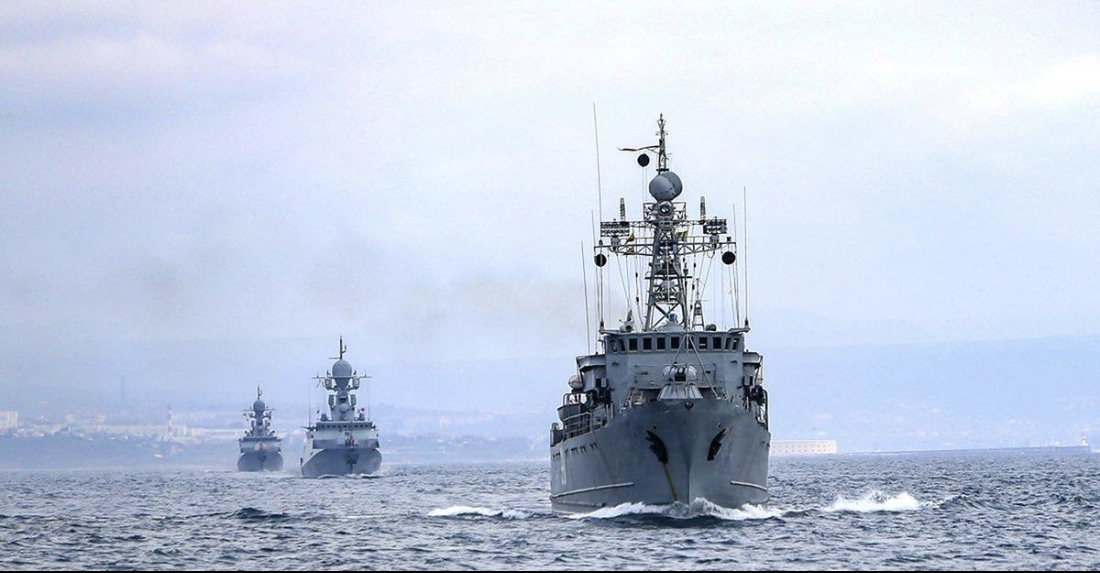
Moscow sends advanced warships close to German waters after Putin warns of retaliation against Western ships.
Russia has moved two warships into the Baltic Sea, raising tensions with NATO and European countries. The deployment comes shortly after Russian President Vladimir Putin threatened to retaliate against British and EU ships.
The Warships
The two vessels are the Admiral Kasatonov, a modern missile frigate, and the Admiral Levchenko, a destroyer.
The Admiral Kasatonov is one of Russia’s most advanced warships. Built in 2020, it belongs to the Admiral Gorshkov class and can launch Kalibr and Zircon cruise missiles. The Zircon missiles are hypersonic and nuclear-capable. The ship was recently used to escort Russian cargo vessels in the Mediterranean Sea and the English Channel.
The Admiral Levchenko is older, built in 1988 during the Soviet era. It is over 160 meters long and was designed for anti-submarine warfare.
The Admiral Kasatonov was spotted near the German island of Fehmarn, a popular tourist destination. Tracking data showed the ship had turned off its location transponder.
Putin’s Threats
Speaking last week, Putin warned that Russia would respond if Western countries seized Russian ships. He called such seizures “piracy and robbery”.
The EU and Western countries have been targeting Russia’s so-called “shadow fleet” — old ships that transport Russian oil and goods in violation of international sanctions. In June, British Royal Marine Commandos seized one of these vessels.
Putin said Russia could retaliate “in any area where we see it as necessary”.
Expert Warning
Maritime security expert Moritz Brake warned that Putin’s threats should not be ignored. He said Moscow is trying to create uncertainty and make Western actions more costly. “Europe must not give the impression that such threats will be tolerated — especially if they are followed by action,” Brake told German newspaper Bild.
Rising Tensions
The Baltic Sea has become one of Europe’s most militarized regions. Finland and Sweden recently joined NATO, meaning the alliance now controls almost the entire Baltic coastline except for Russian shores and the Kaliningrad enclave.
A recent US intelligence report warned that Russia could launch a small-scale attack on a NATO country like Poland or a Baltic state within weeks to test Western resolve.
Moscow has not officially commented on why the warships were deployed.