Education
Surprise in Finland: More Screen Time Linked to Smarter Teens
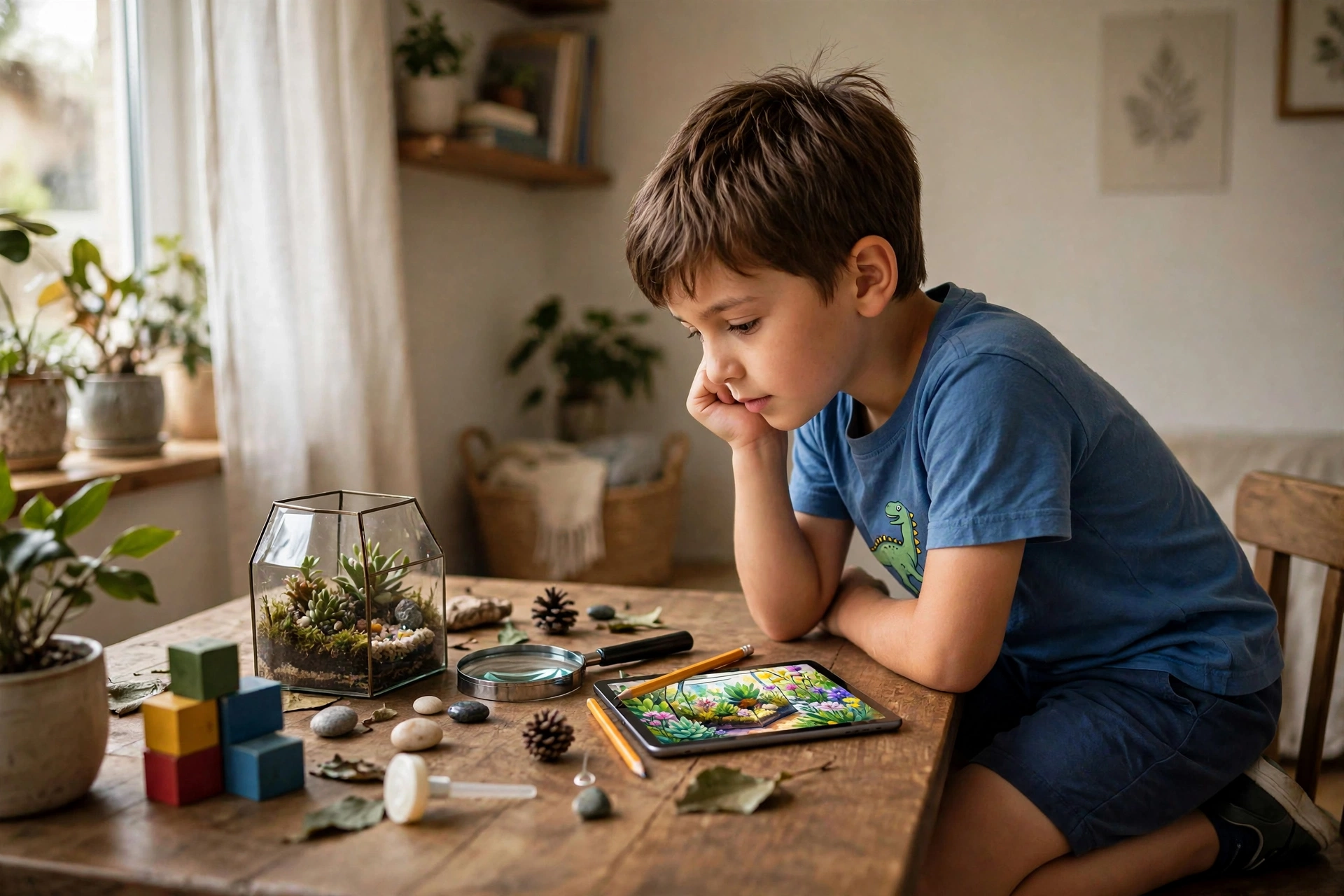
HELSINKI, Finland – For eight years, researchers in Finland carefully tracked the screen habits of hundreds of children. They expected to find damage. Instead, they found a surprising result.
The study, which followed kids from age 6 to 14, showed that those who spent more time on screens actually performed better on thinking and processing tests as teenagers.
This finding goes directly against what the scientists assumed they would see. Their goal was to document the negative effects of digital devices. But the data told a different story.
"We were shocked," said one lead researcher. "This result ran directly against the assumption the study was designed to test."
The children who used computers, tablets, and phones more often showed faster reaction times and better memory skills. They were also better at focusing on complex tasks.
The scientists are careful to say this does not mean more screen time is always good. They point out that the type of screen activity matters. Playing educational games or solving puzzles may be different from just watching videos.
Also, the study looked at cognitive processing—which means how quickly and accurately the brain can analyze information. It did not measure other things like physical health or social skills.
The researchers plan to continue studying the same children. They want to understand exactly why some screen use seems to help the brain develop.
For now, the Finnish study offers a new question for parents and teachers: Is all screen time bad? The answer, it seems, may not be as simple as they once thought.