Climate
Climate Change in the Arctic: A Crisis Worsening in 2026
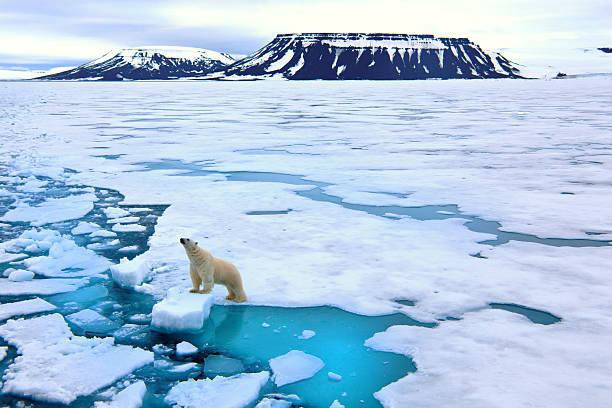
The Arctic is warming faster than anywhere else on Earth. In 2026, the signs of climate change in Arctic countries like the United States, Canada, Greenland, Norway, and Russia are clearer and more alarming than ever.
Record-Breaking Heat
This summer, temperatures in parts of the Arctic reached 93 degrees Fahrenheit (33.9 degrees Celsius). Weather stations in northern Russia near the Arctic Circle recorded these extreme highs, matching temperatures usually seen in Florida.
Greenland also shattered records. In January 2026, the capital Nuuk experienced its warmest January ever measured, with temperatures well above the historical average. Greenland is warming four times faster than the rest of the world.
Sea Ice at Record Lows
Arctic sea ice reached its lowest winter maximum on record in March 2026. The ice measured just 13.76 million square kilometers — smaller than the previous record set just one year earlier.
Scientists say a temporary slowdown in ice melting during the early 2020s has now ended. Between 2024 and 2025, winter sea ice fell by 720,000 square kilometers — the largest drop ever recorded. An additional 140,000 square kilometers were lost in 2026.
"This pronounced decline alters the way we interpret the recent changes in Arctic winter sea ice," said climatologist Duo Chan, lead author of a recent study.
Glaciers Are Collapsing
On August 4, 2026, a giant piece of ice broke off from Greenland's Petermann Glacier. The iceberg was the size of Manhattan and up to 150 meters thick. It was the biggest loss from this glacier since 2012.
Scientists had been watching this glacier for years. "We had been anticipating this breakup for years, and seeing it finally happen is extraordinary," said Adam Garbo, a researcher from the University of Ottawa.
Meltwater lakes along the edge of Greenland's ice sheet are also causing faster ice loss and rising sea levels.
Permafrost Is Thawing
In Alaska, an area of permafrost the size of Wisconsin is thawing. Permafrost is ground that stays frozen for at least two years. As it thaws, it releases huge amounts of carbon into the atmosphere.
The thawing season now extends into September and October — weeks longer than in the past. This creates a dangerous cycle: warming causes permafrost to melt, which releases more greenhouse gases, which causes more warming.
Major Climate Report Loses US Support
In a controversial move, the Trump administration ended federal support for the Arctic Report Card — a major annual scientific report on the state of the Arctic. The report has been published for 20 years and is used by scientists, policymakers, and even NATO.
NOAA, the US agency that supported the report, confirmed it would no longer coordinate the 2026 edition. Scientists are now trying to complete the report without government help.
What This Means for People
In Greenland, fishermen face uncertainty as warming waters change fish populations. Tourism businesses struggle because there is less snow and ice for activities like snowmobiling.
In Arctic communities, buildings are sinking as permafrost melts beneath them. Traditional ways of life are being disrupted.
The Future
A UN report warns that Arctic temperatures are expected to rise more than three times as much as the rest of the world in the next five years. Scientists also expect global average temperatures to break records sometime between 2026 and 2030.
"The Arctic is cooking," as one scientist put it. With the region warming three to four times faster than the global average, the changes we are seeing in 2026 may only be the beginning.
The Arctic is not just a distant, frozen wilderness. What happens there affects sea levels, weather patterns, and communities around the entire planet.