Politics
Finland’s Crisis Plan: A Model for Europe
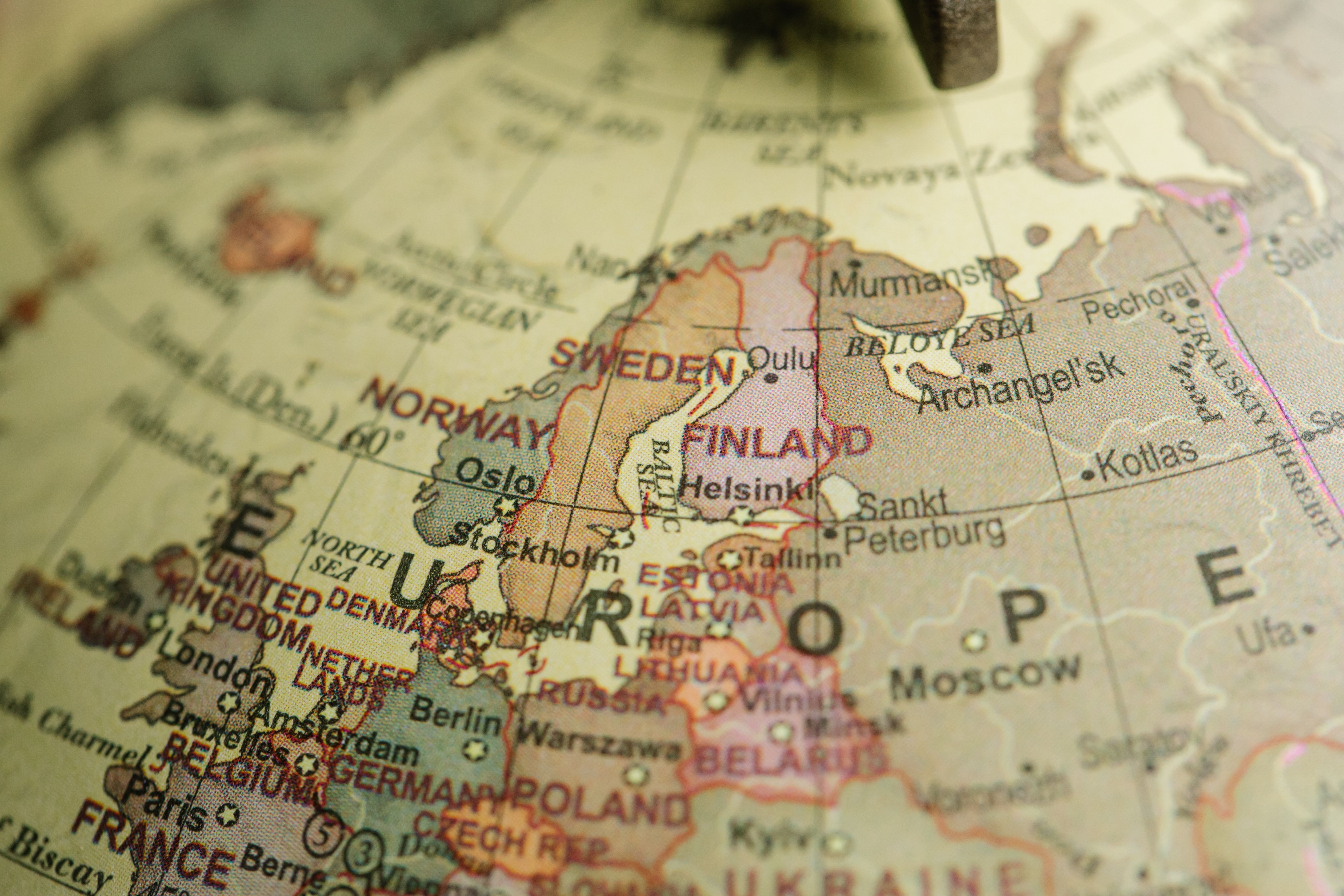
HELSINKI – While many European countries are only now starting to think about stockpiling essential goods, Finland has been doing it for decades. With a long border with Russia, a cold climate, and a history of conflict, this Nordic nation has built one of the world's most advanced systems for surviving crises. Now, as Europe faces new threats from pandemics, cyberattacks, and geopolitical shocks, many are looking to Finland as a model.
Food Reserves for Nine Months
A key part of Finland's strategy is its national grain reserve. The country stores wheat, oats, barley, and rye in secure locations across the country. These stockpiles are regularly rotated using a "first in, first out" method to keep the grain fresh. The goal is simple: if global supply chains break down, Finland can feed its people for nine months.
Finland also produces about 80 percent of its own food. More than 40,000 farms across the country provide the backbone of this food security. The government works closely with farmers, food producers, and retailers to make sure the system works even in an emergency.
Public-Private Partnership
Finland's stockpiling system is built on cooperation between the government and private companies. The National Emergency Supply Agency (NESA) buys supplies like grain and contracts companies to store them. The stocks are held in many different locations across the country, making the system harder to disrupt.
The model is designed to be ready for any crisis – whether a Russian invasion, a climate shock, or a pandemic. As Finland's Agriculture Minister Sari Essayah explained, "Finland is like an island. We are surrounded by the sea on one side, and Russia on the other". That geography makes preparation a necessity, not a choice.
Households Play a Role Too
Preparedness isn't just the government's job in Finland. Every household is encouraged to keep a 72-hour emergency kit with food, water (five litres per person), first aid supplies, iodine tablets, torches, and battery-powered radios. Public campaigns teach people what to do in a crisis. This "whole-of-society" approach means everyone shares the responsibility.
Military and Civil Defense
Finland has also maintained compulsory military service, one of the few countries in Europe to do so. In January 2026, the country raised the reservist age from 60 to 65, expanding its trained reserve force toward one million citizens by 2031. The country also has civil defence shelters for about 85 percent of its population – around 4.8 million people.
A Model for Europe
The European Union has taken notice. In 2024, former Finnish President Sauli Niinistö released a major report calling on the EU to adopt Finland's "all-hazards and all-risks" approach to preparedness. The EU has already set up strategic stockpiles in Finland as part of its rescEU program, including a €305 million reserve for chemical, biological, radiological, and nuclear threats.
Finland's model shows that crisis preparedness is not just about having supplies – it's about building a culture of resilience. As one official put it, "preparedness must be proactive, inclusive and deeply integrated into national strategy". While not every country can copy Finland exactly, the principles are clear: prepare for the worst, involve everyone, and never stop planning.