Social
Finland: benefit use down among foreign residents
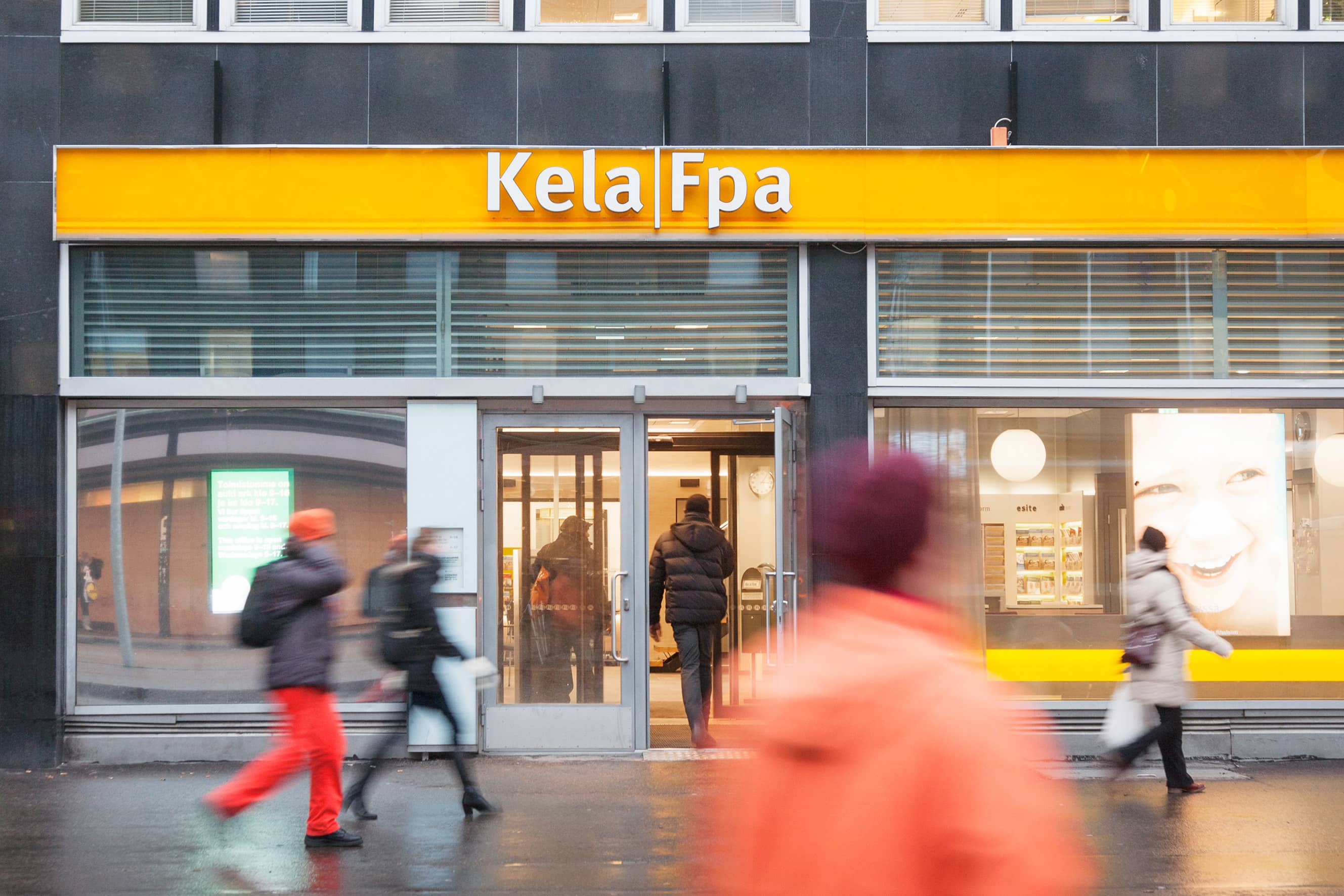
HELSINKI — Fewer foreign-language residents in Finland are receiving welfare benefits compared to ten years ago, even though their population has grown significantly, according to new figures from Kela, Finland's social insurance institution.
The Numbers
Between 2017 and 2025, the number of people in Finland whose mother tongue is not Finnish, Swedish or Sámi rose by more than 70 percent — from 373,000 to 646,000.
Yet the share of foreign-language adults receiving basic social assistance fell from 23 percent in 2017 to 18 percent in 2025. The share receiving labour market subsidy dropped even more — from 24 percent to 16 percent.
Why This Matters
"The foreign-language population in Finland is larger than before, so their share of Kela benefit recipients has also increased," said Kela research manager Signe Jauhiainen. "The development reflects the change in the population structure".
Kela recorded 110,000 foreign-language social assistance recipients in 2017 and 137,000 in 2025. Much of that increase came from Ukrainian speakers who arrived after 2023.
Total Spending
In 2025, Kela paid about €9.2 billion through nine main income-support benefits. Foreign-language residents received around €1.8 billion — about 20 percent of the total. In 2017, they received 15 percent.
What It Means
Kela says the declining use of unemployment and social assistance among foreign-language residents shows that a larger share of this group is now working or studying.