Economy
Volkswagen Plans to Lay Off 100,000 Workers by 2030
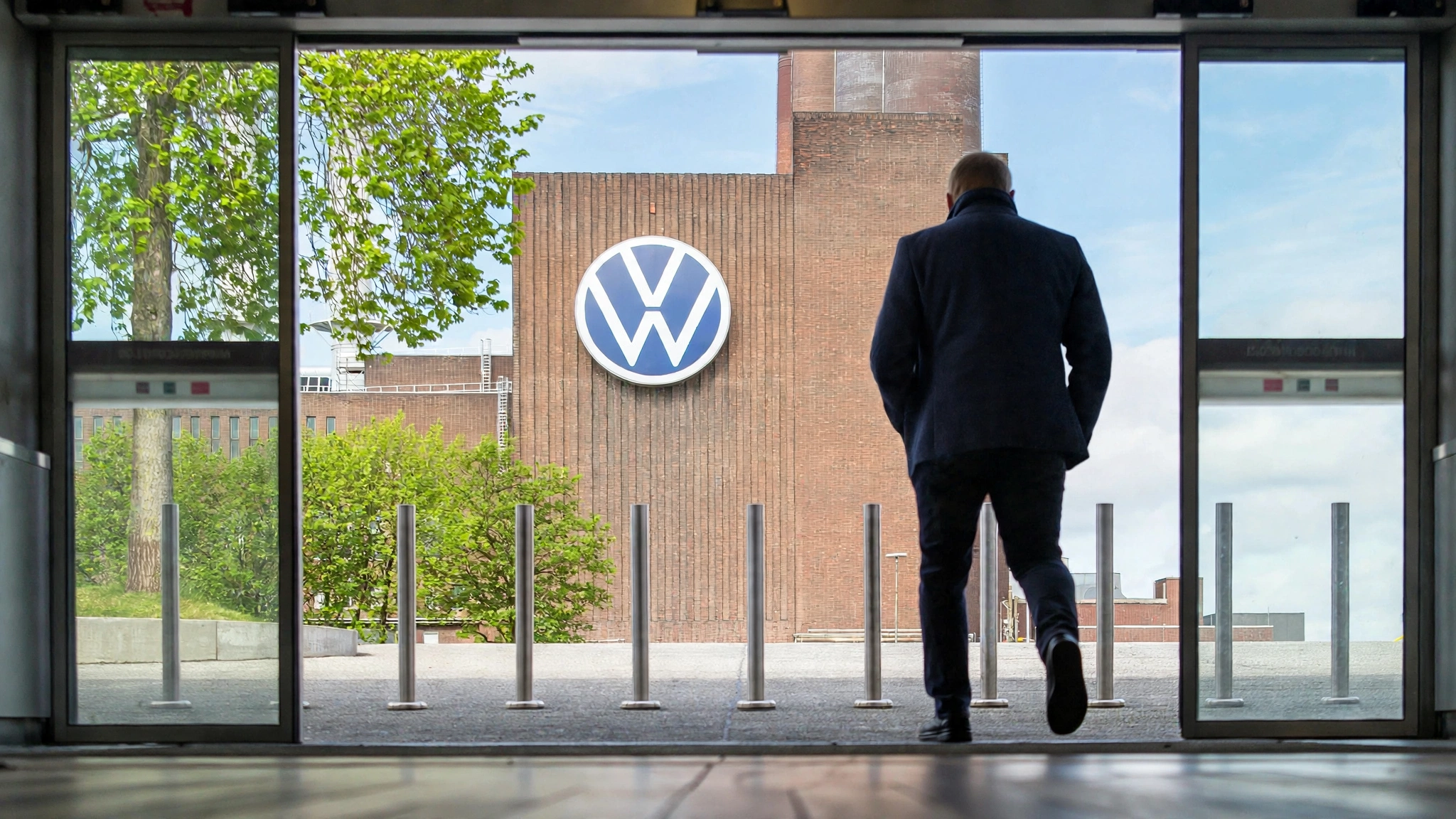
WOLFSBURG, GERMANY — Volkswagen has approved the biggest restructuring in its 89-year history, with plans for around 50,000 additional job reductions worldwide, bringing the total workforce reduction agreed under its turnaround programme to approximately 100,000 positions.
Volkswagen's supervisory board unanimously approved CEO Oliver Blume's “Future Plan 2030” on September 3, marking a major turning point for one of Europe's largest carmakers.
The company is facing mounting pressure from weak profitability, high production costs, intense competition from Chinese manufacturers, excess capacity and trade tariffs.
Another 50,000 Jobs to Go
The newly approved plan adds approximately 50,000 further job reductions to around 50,000 positions already being reduced under an earlier restructuring agreement.
That brings the total agreed workforce reduction to approximately 100,000 positions across the Volkswagen Group.
The figure is significant, but it does not mean that 100,000 employees will suddenly lose their jobs.
Volkswagen and its employee representatives have agreed to rely heavily on measures such as early retirement and voluntary departures. In Germany, the company has also agreed that there will be no compulsory redundancies before 2030.
Why Is Volkswagen Cutting So Many Jobs?
Volkswagen is trying to reduce its costs and make its business more competitive.
One of the biggest challenges is China, where Volkswagen has lost ground to rapidly growing domestic manufacturers. Chinese carmakers have become increasingly competitive in electric vehicles, technology and pricing.
According to Reuters, Chinese automakers increased their share of new European car sales to around 15% during the first half of 2026, roughly double their share a year earlier.
Volkswagen is also dealing with high production costs in Germany and global overcapacity.
The company wants to simplify its operations, reduce the number of models it produces and improve profitability.
Four German Factories Face an Uncertain Future
The restructuring also raises questions about the future of four Volkswagen factories in Germany:
- Emden
- Zwickau
- Neckarsulm
- Hannover
Volkswagen has not announced immediate closures of these plants. However, the company has said it cannot currently commit to continuing to use them for vehicle production beyond 2031.
That leaves thousands of workers and entire industrial communities facing uncertainty.
Volkswagen Wants Higher Profitability
The restructuring is designed to help Volkswagen significantly improve its financial performance.
CEO Oliver Blume has set a target of achieving a 9% operating margin by 2030.
That is a major step up from the company's recent performance. Reuters reported that Volkswagen's operating margin was only around 2.8% last year, highlighting the scale of the challenge facing management.
Volkswagen also wants to reduce its model range by roughly half, allowing the company to concentrate investment and production on fewer vehicles.
Markets Welcome the Decision
Despite the enormous job reductions, investors initially reacted positively to the announcement.
Volkswagen shares jumped around 7.9% in Frankfurt after the supervisory board approved the plan, according to Reuters.
The market reaction suggests investors see the restructuring as a necessary step to reduce costs and improve the company's competitiveness.
However, analysts warn that approving the plan is only the beginning. Volkswagen still has to successfully implement the cuts, restructure its operations and compete more effectively in China and the rapidly changing electric-vehicle market.
A Turning Point for Europe's Auto Industry
Volkswagen's restructuring is bigger than a single company's cost-cutting programme.
It reflects the wider transformation taking place across Europe's automotive industry.
European manufacturers are facing growing competition from Chinese electric-car companies, pressure to reduce vehicle prices, expensive production in Europe and uncertainty over international trade.
Volkswagen's decision to cut around 100,000 positions over the restructuring period shows how seriously Europe's traditional carmakers are responding to these challenges.
Sources