Policy & Updates
Austria Bans Headscarves for Girls Under 14 in Schools, Sparking Debate on Religious Freedom
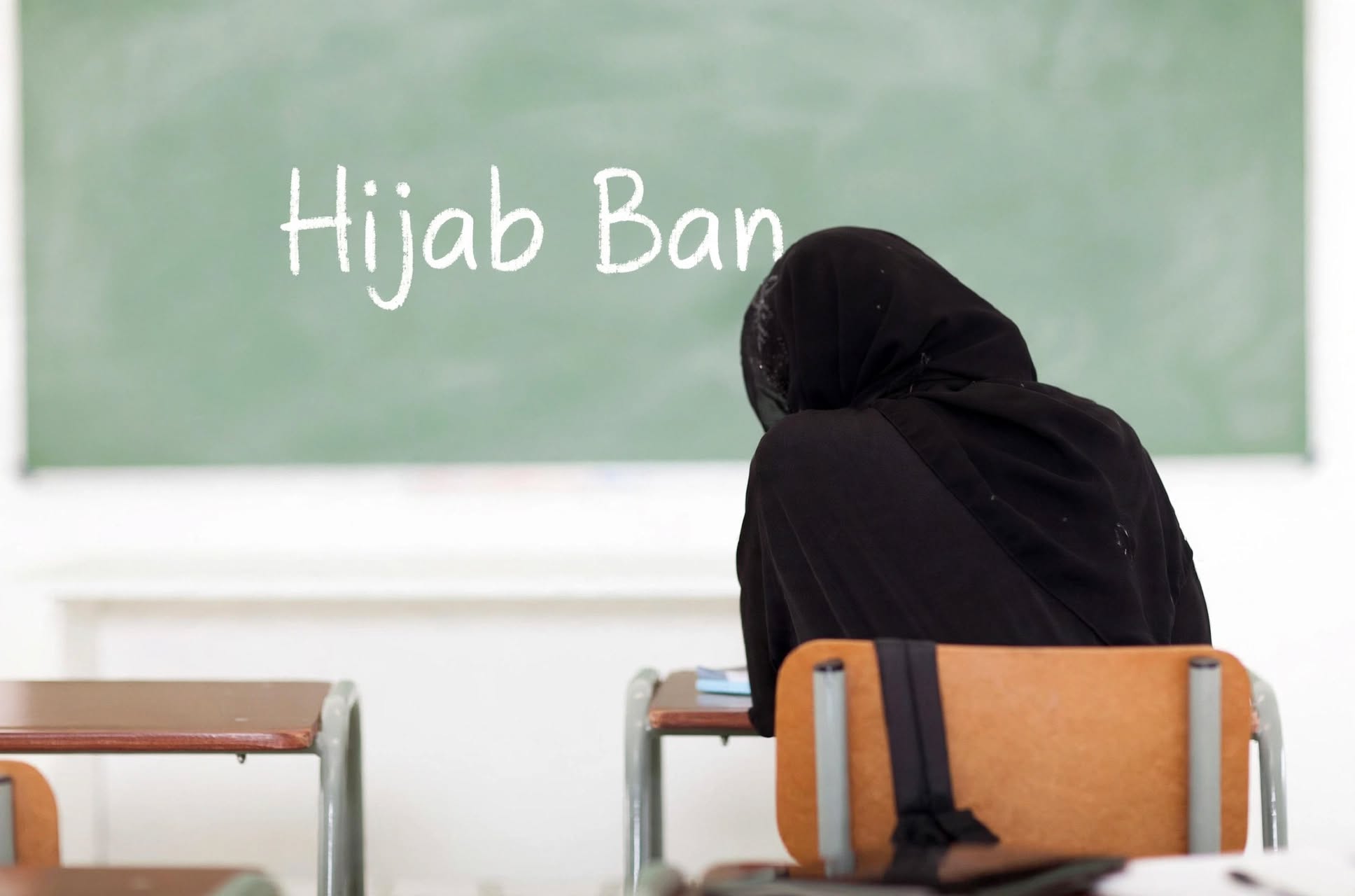
Vienna — Since September 1, Austria has banned headscarves for female students under the age of 14 in both state and private schools. The law prohibits any head covering worn "in line with Islamic traditions," and parents could face fines between €150 and €800 if their children repeatedly violate the ban.
What the Law Says
The ban applies to all schools across the country. Teachers are responsible for enforcing it. If a teacher sees a student wearing a headscarf, they must first ask the student to remove it. If the student refuses, further discussions follow, and the education authority may be brought in. Only at later stages can parents be fined.
Government's Argument
The government says the law aims to protect children's development and their freedom to grow as individuals. It argues that girls should be protected from possible family or social pressure to wear a headscarf. Integration Minister Claudia Bauer has described the headscarf as "a sign of oppression and a means of controlling girls from the earliest childhood".
Criticism and Opposition
The law has faced strong criticism. The Islamic Community in Austria (IGGÖ), the country's main Muslim organization, firmly opposes the ban. Carla Amina Baghajati from the IGGÖ told the BBC that the ban "unjustifiably restricts the fundamental right to freedom of religion and disproportionately affects Muslim girls." She added that "rather than protecting children, it singles out a specific religious practice and risks excluding the very children it claims to support".
Teachers' unions have also raised concerns. They warn that forcing teachers to report breaches puts them in a "monitoring role" that goes beyond their educational work. The Green Party's Sigi Maurer accused Education Minister Christoph Wiederkehr of "creating new conflicts and offloading them onto the teachers," saying educators are already under enormous strain.
Legal History and Challenges
This is not Austria's first attempt to ban headscarves in schools. In 2020, the country's Constitutional Court (VfGH) overturned an earlier ban that applied to children under 10. The court found that the rule violated the principle of equality and freedom of religion, and that in practice it was primarily aimed at the "Islamic" headscarf.
The new law differs because it applies to a higher age group. However, the Constitutional Court has not yet ruled on whether this revised approach addresses the earlier concerns. The IGGÖ has said it will support legal challenges by girls and families who believe their fundamental rights are being infringed.
Education Minister Wiederkehr acknowledged that the government cannot be certain the law will survive a constitutional challenge. "You can never be completely certain," he told Austrian public broadcaster ORF. "We in the government carried out very intensive consultations and we in the education ministry tried very hard to write a law that complies with the constitution".
Mixed Reactions in Schools
Teachers' representatives say the new rule has generally been implemented calmly and respectfully. At the same time, some schools have reported conflicts and, in some cases, aggressive reactions. There are also indications of isolated cases of students refusing to attend school because of the ban.
Broader Debate
Supporters argue that girls at this age are particularly dependent on their families and could face considerable social or religious pressure. Critics question whether a state ban really strengthens the self-determination of the girls concerned. They point out that a girl who wishes to wear a headscarf "of her own conviction" can no longer make that choice at school because of the ban.
The IGGÖ's Baghajati said she is concerned about "a troubling trend" across Europe "in which complex social challenges are reduced to symbolic measures aimed at minority groups." She added that "such approaches may generate political attention, but they rarely solve the underlying problems".
Austria's far-right Freedom Party (FPÖ) says the current ban does not go far enough. It is calling for a general prohibition on headscarves and face coverings in schools for both students and teachers.
The debate over the headscarf ban continues as schools across Austria adjust to the new rules. The Constitutional Court is expected to rule on the law's constitutionality in the coming months.