Safety
Finland’s First F-35 Fighters Have Arrived — But Are They Right for Today’s World?
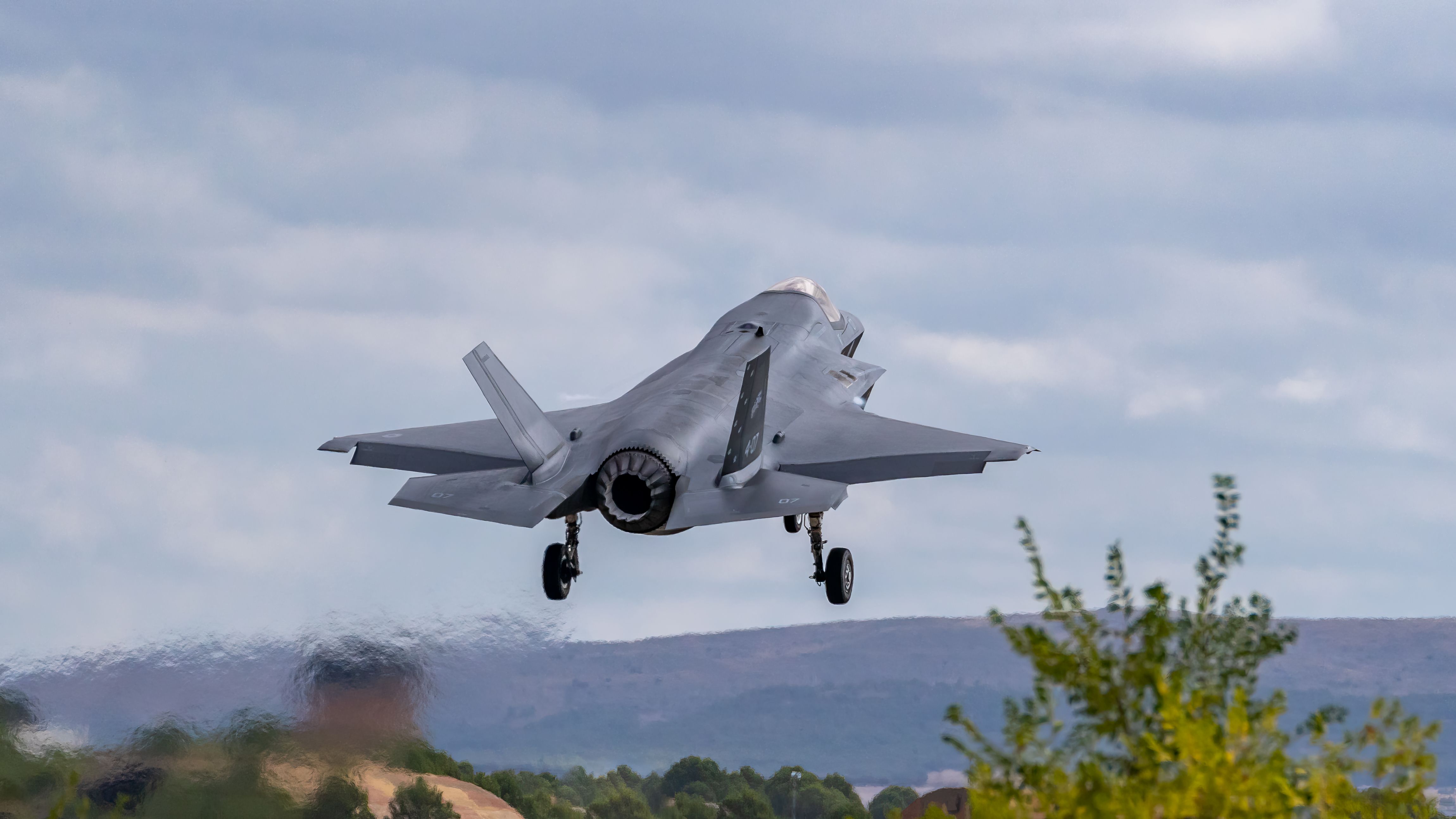
Two new F-35 fighter jets landed in Finland on 18 September 2026. Finland ordered 64 of these American jets in 2021. Now, some people are asking whether the deal still makes sense.
The Jets Have Arrived
Finland received its first two F-35A Lightning II fighter jets at Lapland Air Wing in Rovaniemi on 18 September 2026. The planes are named JF-510 and JF-512. Finland ordered 64 of these jets from the United States in December 2021 to replace its old Hornet fighters.
Why Some People Are Worried
The world looks very different now than it did in 2021. Russia’s war in Ukraine is still going on. Drones have become very important in modern war. And in the United States, President Donald Trump’s government has made other countries less sure about trusting America.
These changes have made people in Canada, Switzerland, and Portugal ask whether buying F-35s is still a good idea. But in Finland, there has been almost no public debate about this.
Does Buying F-35s Make Finland Too Dependent on the US?
Buying F-35s ties Finland more closely to the United States than buying Swedish Gripen jets would have. Kari Paasonen, a researcher at Tampere University, says this political side of the deal was played down when Finland made its choice in 2021. Politicians said the decision was based mainly on technical comparisons.
Paasonen thinks Parliament should have had a say in choosing the plane model, not just in approving the money. He says Finland has had trouble having open, critical talks about foreign and security policy.
The “Kill Switch” Question
Some people have worried that the United States could use a secret “kill switch” to stop Finland from using its F-35s if it wanted to. In March 2025, Finnish Air Force Commander Timo Herranen said this is not true — there is no such switch.
But even without a kill switch, the US could make things very hard for Finland by refusing to send spare parts, software updates, or ammunition.
Justin Bronk, a researcher at the Royal United Services Institute in Britain, says he does not believe the US would actually stop Finland from using its jets if Russia attacked a NATO country. “If that happened, we would have many much bigger problems,” he says.
Bronk says Europe should focus on being able to defend itself without the US fighting for it. Only then can Europe start thinking about what to do in the unlikely case that the US tries to stop European countries from fighting.
Why Air Power Still Matters
Some experts say F-35s are very good at what they do. In February, US and Israeli F-35s quickly won air superiority over Iran. But winning air superiority did not make Iran give up its nuclear program or change its government.
Bronk says the real question is what you want to do with air superiority. For Finland, air superiority would mean being able to destroy Russian ground forces that threaten Finland or another NATO member.
The F-35 is specially designed to fight against Russia’s layered air defence systems. Bronk understands why Portugal — which is as far from Russian air defences as you can get in Europe — might not need the F-35. But for Finland, he says, “it is an absolute requirement” to be able to operate against Russian air defences.
Do Drones Make Fighters Obsolete?
The war in Ukraine has shown how powerful drones can be. Some people now wonder if fighter jets are still needed. Bronk disagrees strongly. He points out that Ukraine is desperately trying to get about 250 fourth-generation fighters from Sweden and France. “If they could get F-35s, I guarantee they would try to buy them,” he says.
Ukraine is an example of what can happen to a country without air superiority, Bronk says. Drones have not given either Ukraine or Russia a decisive advantage. “Drones do not replace what traditional air forces can do,” he says.
What Happens Next?
Finland will keep receiving F-35s in the coming years. The big question is whether Finland and other European countries should depend so much on the United States for their defence — and whether they have a real choice.