Economy
Helsinki’s Goodwill Bomb: Summa Defence Is Not Alone
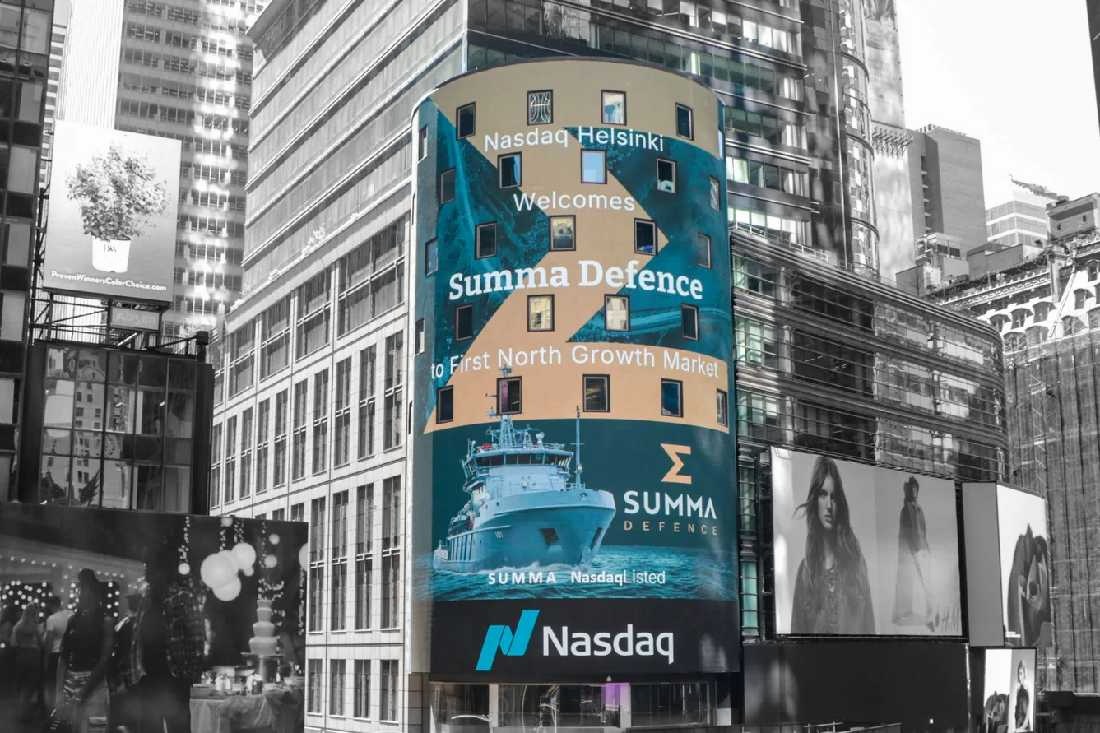
HELSINKI — Summa Defence is not alone. Many companies on the Helsinki Stock Exchange are sitting on a potential balance sheet bomb.
The problem is called goodwill. Goodwill is an accounting term. It appears when a company buys another company and pays more than the actual value of its assets. This extra amount is recorded on the balance sheet as an intangible asset.
In simple terms, goodwill is "good faith" on the balance sheet. It is not cash, buildings, or machines. It only has value if the acquired business performs well in the future.
Dozens of companies are at risk
According to a report by Arvopaperi, dozens of companies on the Helsinki Stock Exchange have goodwill that is more than 100 percent of their net asset value (tasesubstanssi). This means the balance sheet is full of "goodwill" with very little real substance behind it.
The report highlights a dangerous combination: a lot of goodwill, little other assets, a low market valuation, and weak return on equity. If a company like this faces problems, a goodwill write-down can cause serious damage.
Summa Defence is a clear example
Summa Defence is a Finnish defence and security technology group. It listed on the stock exchange in the summer of 2025.
In its 2025 financial statements, Summa Defence reported goodwill of EUR 166.7 million. At the same time, its total assets were EUR 229.4 million and total liabilities were EUR 62.9 million.
This means goodwill is a very large part of the company's balance sheet.
The warning is real
In September 2026, Summa Defence announced that its working capital had run out and its liquidity had weakened significantly. The company warned that it might face bankruptcy if it cannot find new financing or make payment arrangements.
The company's management has said there is material uncertainty about whether it can continue as a going concern. If the company loses liquidity, it could lead to liquidation, restructuring, or bankruptcy. This could also lead to significant impairment losses on goodwill and other assets.
The pattern is familiar
The Arvopaperi report points out that this is a special problem with reverse takeovers (käänteiset listautumiset). In these arrangements, new stock exchange companies are created, and their balance sheets are often full of goodwill. Investors should examine these balance sheets very carefully.
Summa Defence is not the only company with this problem. The report says there are dozens of companies in this situation.
What investors should know
Goodwill is not necessarily bad. Many successful companies have goodwill from acquisitions. The problem arises when goodwill is too large compared to the company's real assets and when the company's profitability is weak.
If the acquired business does not perform as expected, the company must write down the goodwill. This means the value of the asset is reduced on the balance sheet. A large write-down can wipe out equity and cause serious financial problems.
Investors should look closely at the balance sheets of Helsinki Stock Exchange companies. A balance sheet full of goodwill can be a potential bomb — it may look fine on the surface, but it can explode if the company's performance does not meet expectations.