Policy & Updates
EU Driving Licence Rules Set for Major Changes, but Cheaper Options Will Depend on National Laws
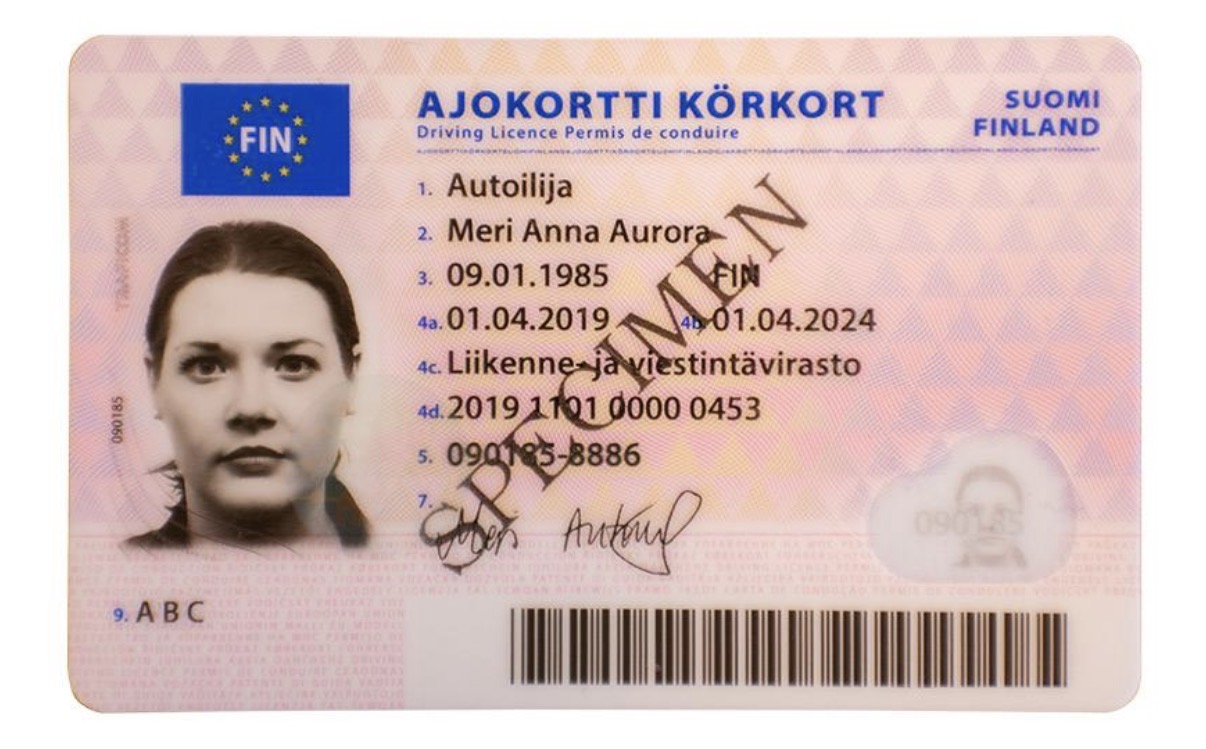
New EU rules will introduce accompanied driving for 17-year-olds, digital driving licences and changes to driver testing. Some provisions could make the process easier, but lower licence costs are not guaranteed.
The European Union is preparing a major overhaul of its driving licence system, with new rules expected to change how licences are issued, how young people learn to drive and how serious driving bans are enforced across member states.
The reforms, adopted in 2025, are designed to improve road safety, modernise administrative procedures and make driving licence rules more consistent across the bloc.
However, motorists should not expect all the changes to take effect within a year, as most provisions will apply only after member states have updated their national legislation.
According to the European Commission, most of the new rules under Directive (EU) 2025/2205 are scheduled to apply from 26 November 2029. Some measures, including provisions for certain heavier vehicles powered by alternative fuels, will come into effect earlier.
Accompanied driving to become available from age 17
One of the most significant changes will allow 17-year-olds to obtain a category B driving licence and drive a passenger car under an accompanied-driving scheme.
Under the new EU framework, young drivers must be accompanied by an experienced driver until they turn 18. The scheme is intended to give inexperienced motorists more practical experience before they begin driving independently.
The measure could also make driving more accessible to young people who need transport for education, work or other everyday activities.
Member states will be responsible for implementing the rules through their national legislation. The accompanied-driving provisions are scheduled to apply from 26 November 2028.
Digital driving licences to simplify the process
The reforms will also introduce a digital driving licence that can be stored on a mobile phone or another compatible digital device.
The digital licence is intended to become the standard format across the EU after the necessary technical and implementing arrangements are in place. Drivers will nevertheless retain the right to request a physical licence.
The new system is expected to simplify licence replacement, renewal and exchange, particularly for people moving between EU countries.
While digitalisation could reduce some administrative burdens, it does not automatically mean that the overall cost of obtaining a driving licence will fall. Training, examinations and other national fees will continue to influence the final price.
Could the new rules offer cheaper alternatives?
The reforms aim to make licensing procedures more accessible and efficient, but they do not establish a single, cheaper driving licence option for everyone across the EU.
One change concerns language barriers. Under specified conditions, citizens may be allowed to obtain their first category B driving licence in their member state of citizenship if the country where they live does not provide interpretation or translation in their EU language.
This provision could help some applicants avoid language-related obstacles. However, it is not a general exemption from driving tests, training requirements or other licensing conditions.
The cost of obtaining a licence will therefore continue to vary between countries, depending on driving school fees, compulsory training, examination charges and national rules.
Applicants should also be cautious about offers promising a cheap driving licence in another EU country without the usual tests or requirements. EU rules generally link the issuing of a licence to normal residence in the issuing country, subject to specific exceptions. A lower advertised price does not necessarily mean that a licence obtained through such an arrangement will be legally valid.
Stricter rules for new drivers
Although some provisions are intended to simplify licensing, the reforms will also introduce stricter requirements in the interest of road safety.
New drivers will be subject to a probationary period of at least two years. During this period, they will face stricter rules and sanctions, particularly concerning drink-driving and other dangerous behaviour.
Driving tests will also place greater emphasis on identifying blind-spot risks, understanding driver-assistance systems and recognising dangers to pedestrians, cyclists and other vulnerable road users.
The changes are intended to ensure that new drivers are better prepared to deal with modern traffic conditions.
Driving bans to carry consequences across the EU
Another major element of the reform concerns the enforcement of driving disqualifications across national borders.
Under the new framework, certain serious driving bans imposed in one member state will be communicated and enforced across the EU under specified conditions. The offences covered include serious drink-driving, excessive speeding and traffic offences resulting in death or serious injury.
The measure is intended to prevent drivers from avoiding the consequences of serious offences simply by crossing into another member state.
When will the new rules take effect?
The revised EU driving licence directive entered into force on 25 November 2025. However, entry into force does not mean that every provision applies immediately.
Member states must generally transpose the directive into national law by 26 November 2028, with most of the new requirements applying from 26 November 2029.
The accompanied-driving scheme is scheduled to apply from 26 November 2028, while provisions allowing certain category B and BE licence holders to drive specified heavier alternatively fuelled vehicles are scheduled to apply from 26 November 2027, subject to the directive’s conditions.
For motorists, the practical impact will depend on how individual countries implement the reforms.
The overall objective is to create a more modern and consistent European driving licence system while improving road safety. Although some changes could make the process easier for certain applicants, anyone hoping to obtain a cheaper licence should check the rules and costs in their own country before making a decision.
Sources: European Commission, Directorate-General for Mobility and Transport; EUR-Lex, Directive (EU) 2025/2205.