Policy & Updates
Finland’s PR Rules Could Affect Your Eligibility Due to Your Spouse’s Social Assistance
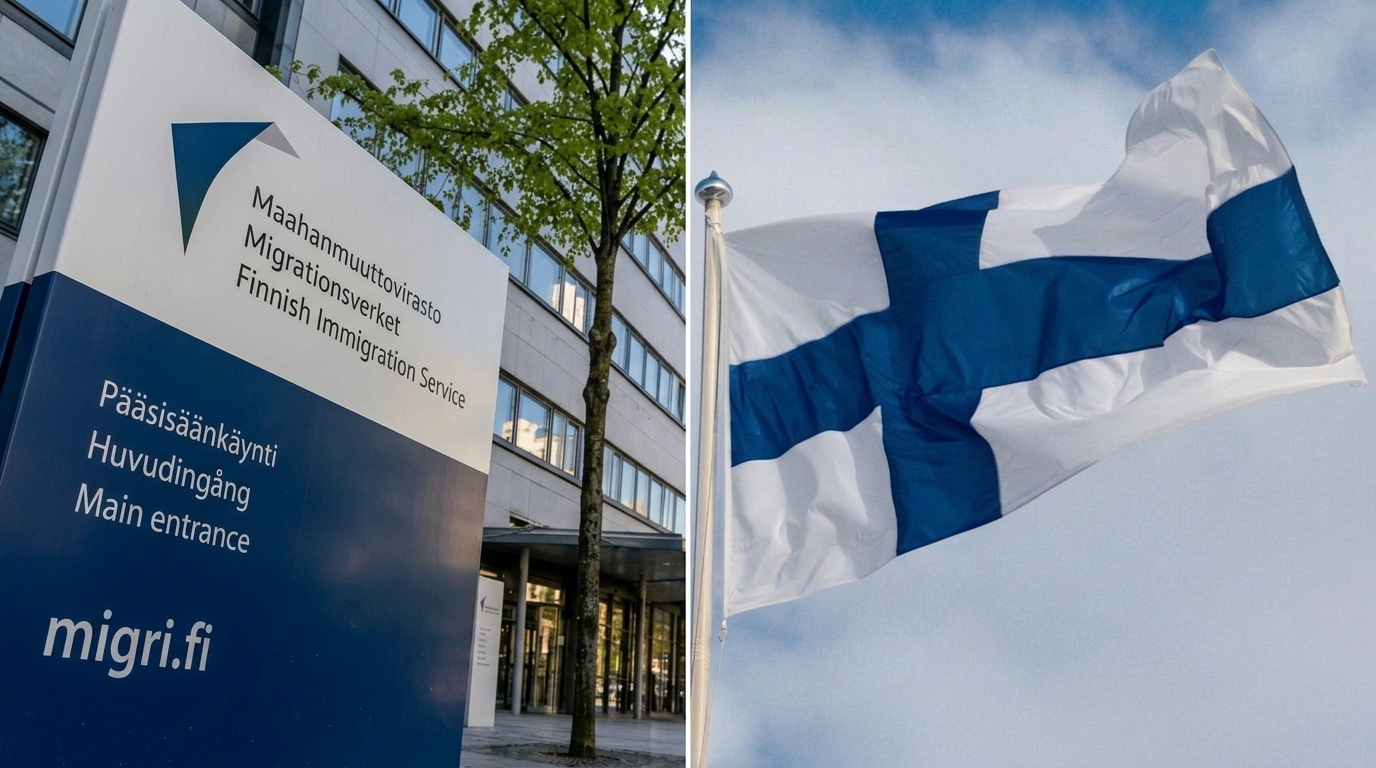
Finland’s tightened permanent residence permit rules could affect some immigrant families when one spouse receives social assistance, even if the other spouse is employed. However, receiving social assistance does not automatically mean an application for permanent residence will be rejected.
The Finnish Immigration Service (Migri) confirms that the revised rules took effect on January 8, 2026, for applications submitted on or after that date. The changes introduced new requirements concerning the length of residence, employment history and Finnish or Swedish language proficiency.
Under the standard six-year residence route, applicants generally need six years of continuous residence in Finland, at least two years of Finnish work history and satisfactory Finnish or Swedish language skills at B1 level.
How a spouse’s benefits can affect an application
Migri states that basic social assistance (toimeentulotuki) paid to a spouse or partner can affect the applicant’s qualifying work history if they lived together during the relevant period.
The immigration authority considers basic social assistance a benefit for the whole family. Therefore, the fact that only one spouse applied for or received the benefit does not necessarily exclude the other spouse from the assessment.
However, Migri allows up to three months of social assistance during the required work-history period without reducing the qualifying work history. If the period exceeds three months, the additional time may affect whether the applicant meets the employment requirement.
This distinction is important for families in which one spouse works while the other studies, looks after children or experiences difficulties entering the labour market.
Not all Kela benefits are treated the same
The rules distinguish social assistance from other benefits. For example, unemployment benefits received by a spouse are treated differently from social assistance when Migri assesses the work-history requirement.
Applicants should therefore identify the exact benefit they or their spouse have received before deciding whether they qualify for permanent residence.
The impact also depends on the route of application. Finland has several routes to permanent residence, including options based on high annual income, higher education qualifications and particularly strong language skills. Each route has its own conditions.
What should applicants do?
Immigrants planning to apply for permanent residence should check their residence history, employment records, language qualifications and benefit history before submitting an application.
Migri advises applicants to ensure that they meet the requirements of their chosen route. Because the rules depend on individual circumstances, families should not assume that a spouse’s social assistance automatically results in refusal.
The changes mark a significant shift in Finland’s permanent residence requirements, making it especially important for applicants to understand how their household circumstances may affect eligibility.
Sources: Finnish Immigration Service (Migri); official guidance on permanent residence permits and the work-history requirement.