Security & Safety
NATO Has "Reliable Information" That Putin Plans to Strike Europe
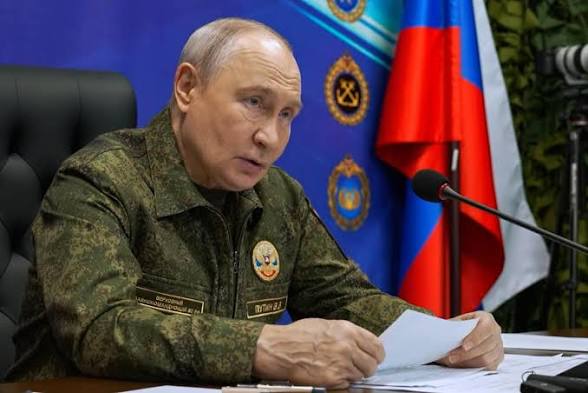
A high-level security source has told a Finnish newspaper that NATO has solid intelligence showing Russia has made a decision to escalate its campaign of hybrid attacks and sabotage across Europe. The source, described as a key security policy figure with influence inside NATO, said the information is firm: Moscow has already made the call to ramp up these operations.
According to the report, the potential targets are alarming. The sabotage could hit passenger planes, airports, railway networks, or even passenger ships. The countries facing the biggest concern are Germany and Poland, the source added. The sources also suggested that Russia might see a window of opportunity around the U.S. midterm elections in early November.
These warnings come against a backdrop of rising tension. Relations between Putin's Russia and Western nations have been mostly frozen since the full-scale invasion of Ukraine in 2022. Since then, Russia has launched a range of hybrid methods against Europe, trying to hide its own involvement. So far, however, Russia has not carried out attacks outside Ukraine that have caused mass casualties.
NATO commanders have acknowledged the growing threat. General Alexus Grynkewich, NATO's Supreme Allied Commander Europe, recently said the alliance is stepping up intelligence sharing in response to a wave of suspected Russian sabotage. He called incidents like an attempted drone attack on Germany's Leipzig/Halle Airport "concerning" but urged calm, saying NATO has the tools to manage the risk. When asked about the risk of a limited Russian attack on NATO territory, Grynkewich said such a move was "unlikely but something that we can't rule out".
The new report reinforces what European intelligence officials have been warning about for months: that Moscow is willing to take greater risks and is likely to intensify its hybrid warfare against Western countries. While a full-scale conventional invasion of a NATO country is still seen as unlikely, the focus is now on these smaller, harder-to-attribute acts of sabotage and disruption that stop just short of triggering a full military response.