Business
Taxi Drivers Furious Over Kela Cuts
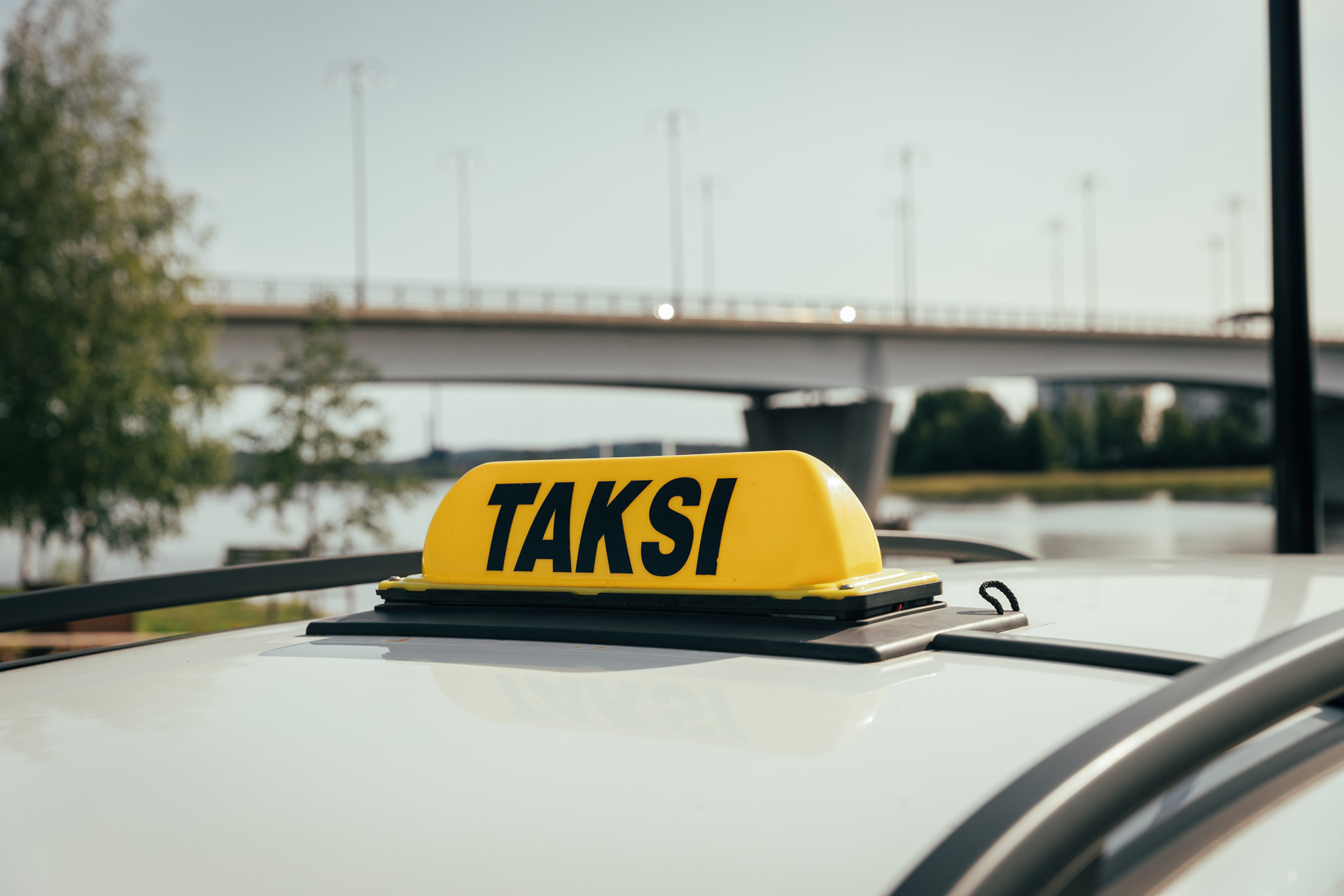
A new deal for Kela-funded taxi rides is driving many Finnish taxi entrepreneurs to the edge. Starting next year, drivers will earn less money for these trips. Some are already deciding to quit.
Kela rides are taxi journeys covered by the Social Insurance Institution, usually to hospitals or rehabilitation. The passenger pays at most 25 euros one way, and Kela pays the rest. For many drivers in rural areas, these rides are a big part of their income. Now, a new competitive bidding period begins at the start of next year, and the rates are dropping.
A 30-Year Career Ends on a Bitter Note
One of those quitting is Kari Haapamäki, a taxi entrepreneur from Virrat in Pirkanmaa. After more than 30 years behind the wheel, he has had enough. “It makes me incredibly angry,” Haapamäki told Maaseudun Tulevaisuus.
His frustration is simple: drivers cannot control the price they are paid per kilometer. The rates are set through a bidding process, and drivers have no say. Haapamäki also criticizes how the system works. In the current model, intermediary companies make offers to Kela using the drivers’ money, he says. He believes the intermediaries and the drivers should be bid separately.
He gives a concrete example. A car might drive 40 kilometers empty to reach a customer, then take that person 75 kilometers to a hospital. “You don’t need to be a great mathematician to see that this ride will not be driven with the new rates,” he says. “It simply cannot be done for financial reasons”.
Others Are Struggling Too
Haapamäki is not alone. Pasi Issakainen, a taxi entrepreneur from Rantasalmi in Savo, says about half of his company’s turnover comes from Kela rides. Under the new contract, the price per kilometer drops by more than 20 cents. “At such a price, there is no longer any possibility of operating in a way that leaves a profit,” Issakainen says. He adds that after paying connection fees, commissions, and system maintenance costs, the numbers no longer add up.
Warnings of a Taxi Shortage in Rural Areas
The Taxi Union has warned that the new competitive bidding could reduce taxi availability in sparsely populated areas. If enough drivers quit, people in smaller towns may struggle to find a taxi when they need one for a medical appointment.
Kela says cost efficiency is a key goal of the procurement. Riikka Palomäki, a benefits manager at Kela, explains that the maximum price for a reimbursed taxi ride is set by government decree, and the companies that won the bid decided their own discounts from that maximum. Kela has also assessed alternative models but identified significant risks with them, including reliability, ride combining, and price levels.
For now, drivers like Haapamäki are voting with their keys. He is old enough to retire, so he will stop driving Kela rides at the turn of the year. But he worries about what comes next—especially for passengers who depend on these rides to get to care. “The whole model is completely wrong,” he says.