Business
German Power Prices Explode 24-Fold as Wind and Solar Collapse
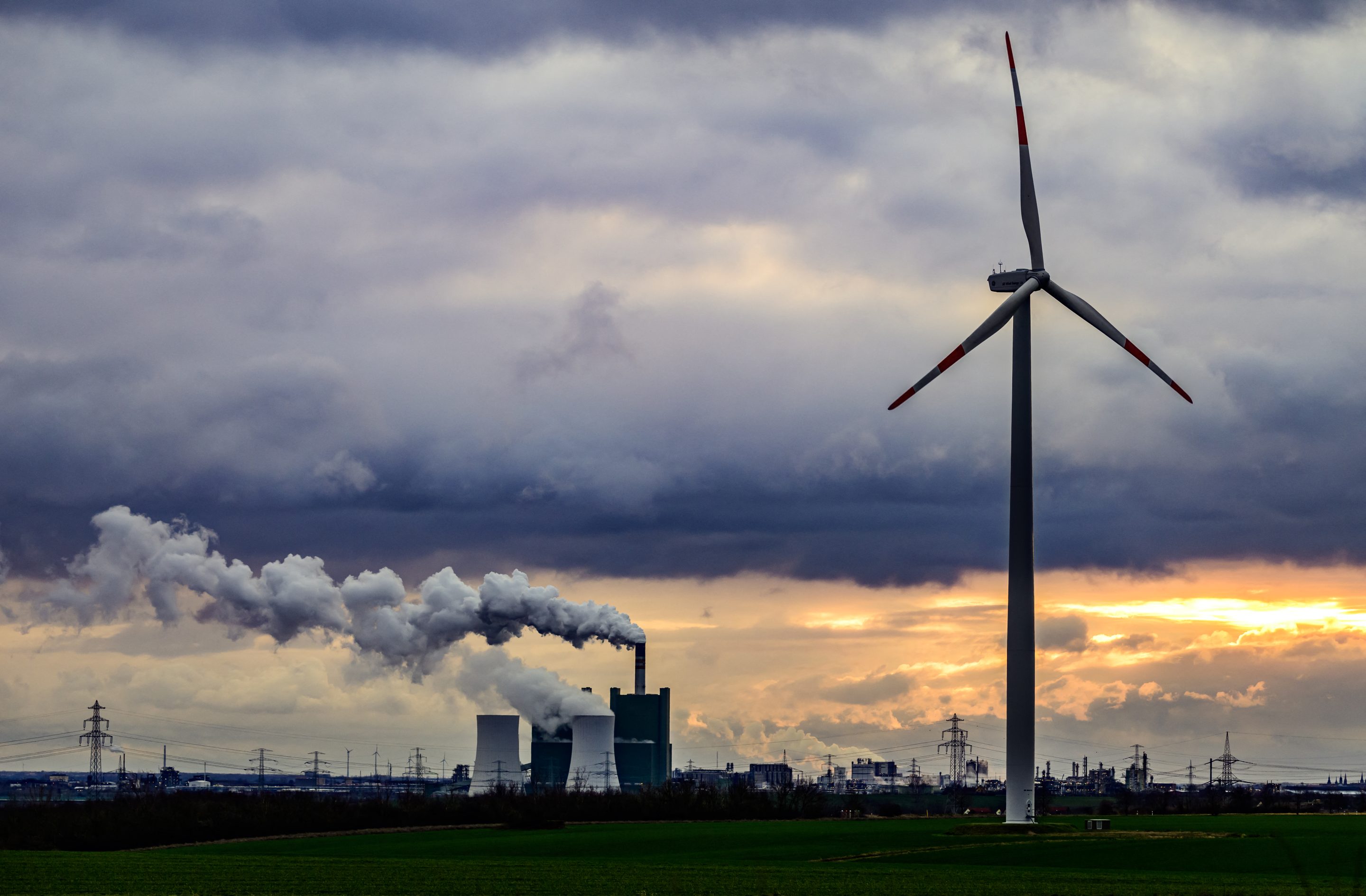
Frankfurt – Electricity prices on the German-Luxembourg power exchange have exploded, jumping an astonishing 24-fold in a matter of days. The dramatic spike has sent shockwaves through the market and raised fresh concerns about the stability of Europe's largest economy.
According to market data, the average daily price for electricity was just €13.12 per megawatt-hour (MWh) on Sunday, October 25. By Thursday, October 29, that same price had surged to €314.85 per MWh—a staggering increase in less than a week. The price climbed steadily each day, starting at €116.57 on Monday, rising to €155.11 on Tuesday, and hitting €249.21 by Wednesday. Within a single day, prices even peaked at a jaw-dropping €574.28 per MWh, according to data from the Fraunhofer ISE Energy-Charts platform.
What Caused the Spike?
The root cause is a weather phenomenon that Germans call "Dunkelflaute"—a period of dark, windless days. During this time, both wind and solar power generation plummeted across the country. On October 29, the share of renewable energy in total electricity consumption fell to a low of just 23.2%.
With so little cheap wind and solar power available, the electricity system had to rely much more heavily on other, more expensive sources of generation to meet demand. This so-called "residual load"—the portion of electricity demand that cannot be covered by renewables—grew rapidly, forcing the market to turn to costlier alternatives.
Germany's federal network agency, the Bundesnetzagentur, defines a Dunkelflaute as a prolonged period of at least 48 hours where wind and solar output remains below 15% of installed capacity. When this happens, the market needs significantly more electricity from other sources. The agency notes that these situations can cause wholesale electricity prices to rise very quickly.
A Broader Energy Picture
This recent spike is part of a wider trend of rising energy costs in Germany. Since the beginning of 2026, German electricity prices have already increased by nearly 74%, according to spot benchmarks. While the 24-fold jump is a short-term, weather-driven event, it highlights the growing volatility of electricity markets as Europe transitions toward renewable energy.
The spike also comes amid broader pressure on energy prices, with natural gas costs remaining high and geopolitical tensions adding further uncertainty to the market.
What This Means for Consumers
While the wholesale prices discussed here are what utilities pay, they eventually trickle down to households and businesses. For ordinary Germans, electricity bills have already been climbing. The average household electricity price in Germany stood at around 41.65 cents per kilowatt-hour in the first half of 2026, one of the highest rates in Europe.
The recent price explosion on the exchange serves as a stark reminder of how quickly energy costs can spiral when the weather turns and renewable output drops. For now, German consumers and businesses will be watching the skies—and their energy bills—with growing anxiety.