Business
Finland’s Mixed Economy Blends Free Markets with Strong Welfare State
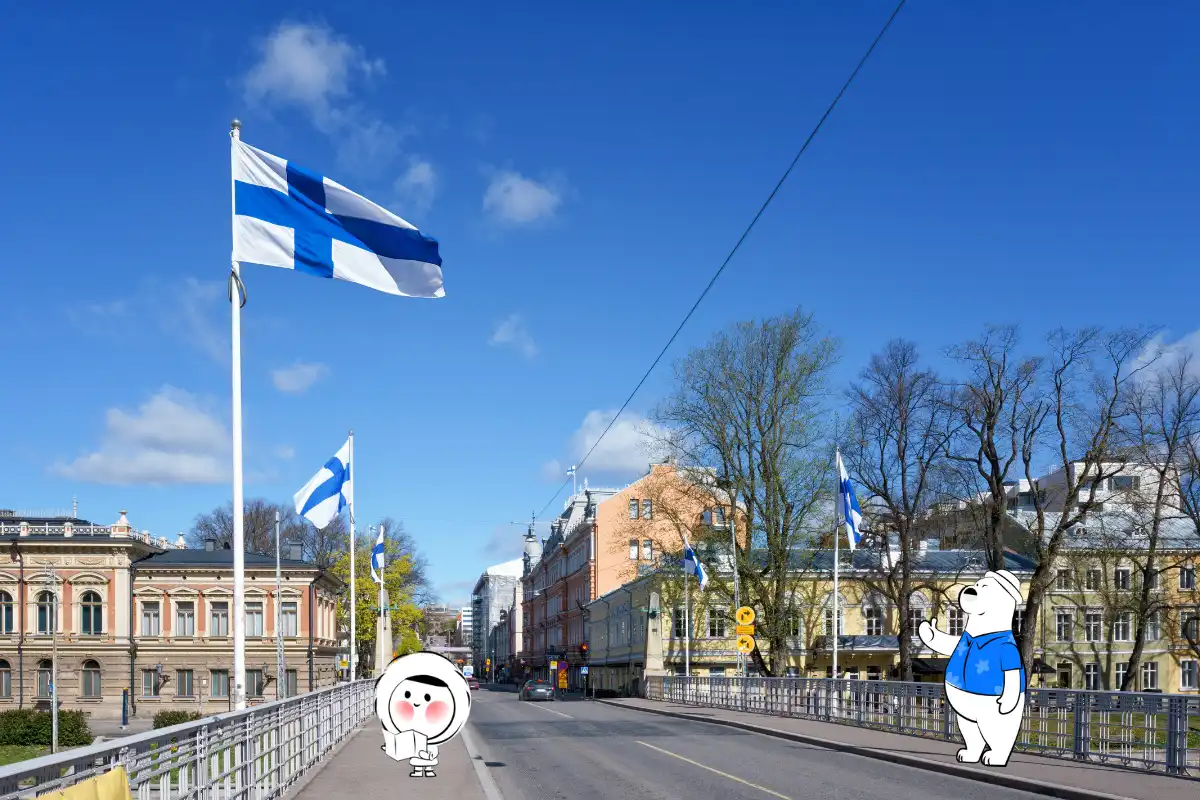
HELSINKI — Finland operates a highly industrialized mixed economy that combines free-market principles with a strong Nordic welfare system and active government involvement in key industries, creating a model that balances competitiveness with social protection.
As a small and open economy, Finland depends heavily on foreign trade, with exports playing a central role in growth. Machinery, chemicals, metals, technology products, and forestry-based goods remain among the country’s most important export categories, reflecting Finland’s long tradition in both natural resources and advanced manufacturing.
While manufacturing and technology are vital, services form the largest share of GDP, including sectors such as finance, logistics, healthcare, education, and digital services. Primary industries such as agriculture and forestry now contribute a smaller portion of economic output, though they remain strategically important, particularly in rural regions.
Finland’s economic model follows the Nordic approach, characterized by high social spending funded through taxation. Extensive public services, universal healthcare, education, and social security systems support high living standards and relatively low income inequality compared with many other industrialized nations.
The state also plays a direct role in business through state-owned enterprises in strategic sectors. Companies such as VR (railways), Finnair (air transport), and Posti (postal services) remain under government ownership, while the state maintains monopolies in specific areas, including strong alcoholic beverage sales through Alko. These arrangements reflect policy choices aimed at ensuring nationwide access, safety, and stability in essential services.
At the same time, Finland promotes innovation and technology development, building on its transition from traditional heavy industry to knowledge-based sectors. Investment in research, education, and digital infrastructure continues to support start-ups and high-tech exports, particularly in areas such as clean technology, telecommunications, and software.
Economists often describe Finland’s system as a blend of capitalism and social responsibility, where private enterprise drives productivity while the state mitigates risks through regulation and welfare programs. This balance has helped Finland remain competitive globally while maintaining strong social cohesion at home.